When is the best time to visit Whitstable?
It depends on what matters most to you. For quieter streets and easier parking, come midweek outside the school holidays. For the warmest weather, come in July or August, and expect the town to be busy.
Spring and early autumn are a good middle ground. The days are often mild, the promenade is calmer, and it’s easier to find a table for lunch. Our Whitstable guide lists the routes and cafés we know work.
When is Whitstable at its busiest?
Sunny weekends and the school holidays bring the most visitors, especially in summer. The harbour and the High Street get crowded, and the car parks fill early. A few big events add to that.
- Whitstable Carnival: a Saturday in early August, with a procession from Tankerton Road to Saddleton Road.
- Harbour Day: a Saturday in the middle of August.
- The Whitstable Rocks Oyster Festival: three days in September, across the harbour, the beach and the town.
In Kent, the school summer holiday in 2027 runs from 22 July to 31 August. There are also half-terms in February, late May and late October.
When is Whitstable at its quietest?
Midweek outside the school holidays is usually the calmest time. Early mornings are quieter too, before most day visitors arrive.
Winter is the quietest season of all. It’s colder and windier by the sea, but there’s more space on the promenade. Some places shorten their hours, so check opening times before a special trip.
When are Whitstable oysters in season?
Native oysters are in season from September to April, in the months with an R. Rock oysters are farmed and served all year round, so you can try one whenever you visit.
The Whitstable Rocks Oyster Festival takes place over three days in September. Many of its events are free, and the town gets very busy, so plan your parking ahead.
What is Whitstable like in each season?
- Spring: milder days and calmer weekdays, though the Easter holidays are busy.
- Summer: the warmest weather and longest days, and the most visitors, especially in August.
- Autumn: often still mild in September, with the oyster festival, and calmer once the schools go back.
- Winter: the quietest time, with cold winds off the sea and shorter opening hours.
Tips for a calmer visit
- Arrive early on sunny weekends, when parking near the seafront goes quickly.
- Book a table for lunch, or eat a little earlier or later than most people.
- Check event dates before you book your stay.
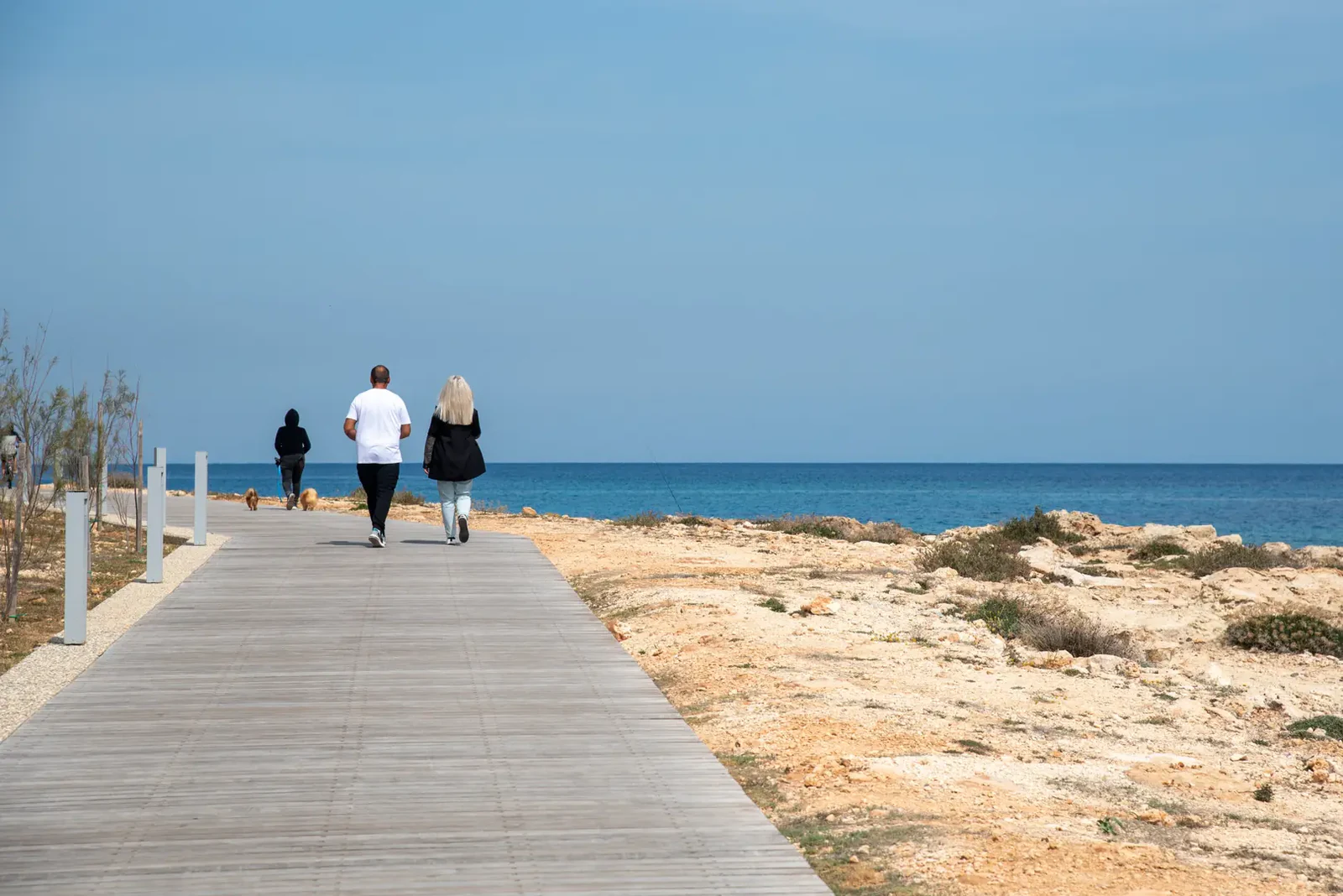
- Use Tankerton’s promenade for a quieter walk, as it’s long, level and surfaced.
- Check the forecast for wind as well as rain, as it can be strong by the sea.
Our guide to Blue Badge parking in Whitstable covers the car parks and the free time a badge gives you.
Does Restwell cost more at busy times?
A little. Peak rates apply in the school holidays, and the rest of the year is off-peak. A week is £1,300 off-peak and £1,400 in peak season.
Weekend nights cost a bit more than weeknights, and you can stay for one night or a whole week. Our rates and peak dates are all on one page.
Frequently asked questions
Yes, if you enjoy the sea, seafood and a slower pace. Tankerton’s promenade is long, level and surfaced, and the harbour is step-free. The beach itself is shingle, though.
Very busy, especially around the harbour and the High Street. Arrive early, or head to Tankerton for more space.
It’s quiet, cold and often windy. There’s more room on the promenade, but some places open for shorter hours.
The Whitstable Rocks Oyster Festival is held in September. In 2026, it ran from 11 to 13 September, so check the festival’s website for the next dates.
Staying at Restwell
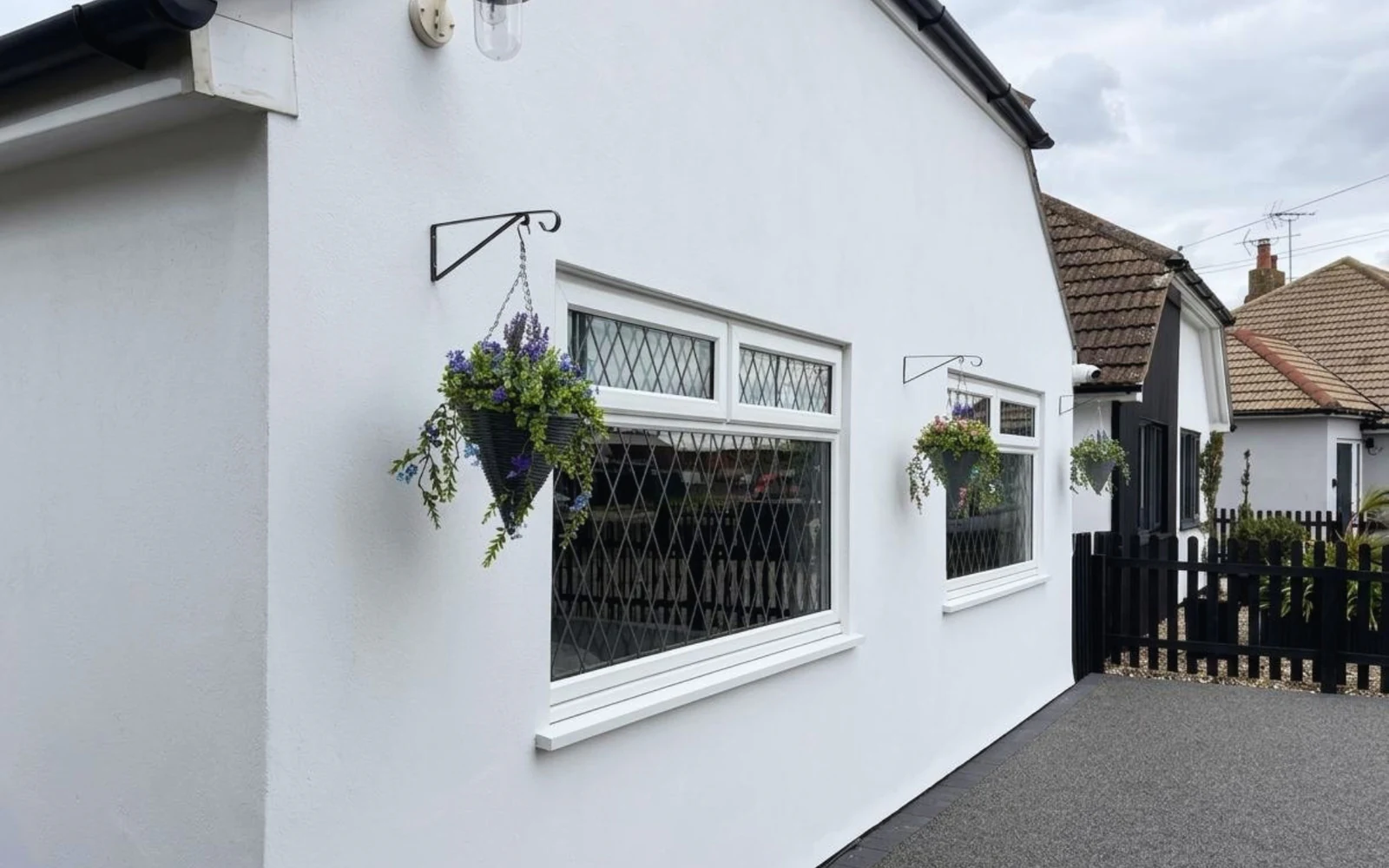
Restwell is a private, adapted bungalow in Whitstable, with a ceiling track hoist and a level wet room. Out of season, you can enjoy a quiet town and come back to your own hoist and wet room.
If you’re weighing up dates, ask us which weeks are free, and we’ll help you choose.